Whiskey collectors’ single malt scotch whisky is whisky made at one Scottish distillery from malted barley, with the aim of building a collection defined by distillery, age and bottling details. Unlike a casual purchase, a collector’s choice should still make sense after the bottle is on the shelf: you need to know what it adds to the bottles you already own.
- Single malt scotch whisky collectors should choose a bottle by distillery, age statement and documented bottling details—not age alone.
- Miramar Wine & Liquor is best for San Diego collectors comparing listed Scotch bottles with local delivery or pickup.
- Jura 18-year, Cragganmore 12-year and Mortlach 20-year give collectors distinct age-statement options.
- Keep a record of the exact bottle you buy; a distillery name alone does not identify an edition.
Why single malt scotch whisky matters for collectors
Single malt tells you that the whisky comes from one distillery, not that every bottle from that distillery is identical. Age statements, cask information and bottling details help you identify what you actually bought. If those details are missing from a listing, read the bottle label before deciding it fills a gap in your collection.
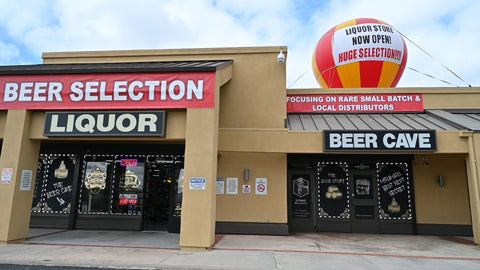
Miramar Wine & Liquor is best for San Diego whisky collectors who want to compare listed Scotch bottles and choose same-day local delivery or in-store pickup. If you are still finding your preferred style, start with the guide to Scotch whisky for beginners; collecting is easier when you know which bottles you would also enjoy opening.
In 2026, the useful question is not whether an age statement looks impressive. It is whether the exact release has a clear place in your collection. A younger bottle from a distillery you have not explored can serve that purpose better than an older bottle that duplicates one you already own.
How to choose single malt scotch whisky for a collection
Use the same checks for every candidate, whether you plan to open it soon or keep it sealed. Start with the label and your own inventory. Then compare the bottles currently listed before deciding how to get one home.
Define the gap in your collection
Decide what the next bottle needs to add before browsing. That gap might be a Scottish distillery absent from your shelf, a different age statement or a release with bottling details you can document. This keeps a striking label from becoming the only reason you buy.
Write down what you own and what you have opened. A sealed bottle and a tasting bottle serve different purposes; neither is automatically the better purchase. If you intend to drink the next one, give your own preferences more weight than the idea of keeping it untouched.
- List the distilleries already represented on your shelf.
- Mark each bottle as sealed or open.
- Choose one missing distillery, age statement or documented release type to seek.
- Decide whether the next bottle is for tasting, keeping or gifting.
Read the label before judging the bottle
Single malt Scotch whisky must come from one Scottish distillery and be made from malted barley. Scotch must mature in Scotland in oak casks for at least 3 years and be bottled at a minimum of 40% alcohol by volume. Those category rules establish what qualifies as Scotch; they do not tell you whether a particular bottle suits your collection.
Read the full bottle name. Distillery, stated age, bottling strength and any release designation identify it more precisely than a photograph or a short listing title. If the online description leaves a detail unclear, check the bottle itself rather than filling the gap with an assumption.
- Confirm that the label says single malt Scotch whisky.
- Record the distillery and complete release name.
- Note the stated age and bottling strength when shown.
- Check for a cask, batch or edition designation on the bottle.
Compare age statements without treating them as a ranking
An age statement identifies the youngest whisky in the bottle. It does not establish that an older release will taste better to you, nor does it tell you how the whisky was matured. For a collector, age is most useful as an accurate way to distinguish bottles and spot gaps.
The listed choices here include Cragganmore 12-year, Jura 18-year and Mortlach 20-year. Those numbers give you three different age-statement options in 2026, but they are not a tasting verdict. If your shelf lacks a particular distillery, that distinction can matter more than the difference between 18 years and 20 years.
- Compare complete bottle names, not age numbers in isolation.
- Check whether you already own a release from the same distillery.
- Treat age as an identification detail, not a quality score.
- Keep tasting preferences separate from shelf-filling goals.
Inspect cask and release details
Cask descriptions can distinguish releases from the same distillery. Look for the wording on the actual label and product listing: a cask finish, a named cask type or a single-cask designation each describes a different part of how a release is presented. Do not assign any of those details to a bottle whose listing does not state them.
Limited-edition wording also needs context. Record the complete release name and any batch or cask identifier you can verify. Without those details, two bottles carrying the same distillery name are too easy to confuse in your inventory. A simple written record is enough; you do not need a specialist app to begin.
- Copy cask wording exactly as it appears on the label.
- Note batch, cask or edition identifiers when present.
- Photograph the front and back labels for your records.
- Leave fields blank when a detail is not stated.
Compare bottles by their job on your shelf
Now put the candidates side by side. Cragganmore, Jura and Mortlach offer different distillery names as well as different stated ages. Choose the bottle that answers the gap you identified, rather than changing your goal to justify a bottle you spotted later.
Miramar Wine & Liquor lists these bottles for shoppers to examine individually. The faster path is to review each listing, then confirm the exact bottle details that matter to you before purchasing. Local delivery and in-store pickup give San Diego shoppers two ways to receive a purchase; neither replaces a check of the specific release.
- Shortlist bottles from distilleries missing from your collection.
- Compare the full names and stated ages.
- Check each listing for the details you plan to record.
- Verify the exact release before completing your order.
Check the bottle you receive
Your inventory should describe the bottle in your hands, not just the one you intended to order. Compare the distillery, release name, age statement and any edition identifier with your notes. Keep the label legible in your photographs so you can identify the bottle later without relying on memory.
A delivery or pickup check is especially useful when a collector cares about a particular bottling. If a detail differs from what you expected, resolve the identification before filing the bottle under an existing entry. The point is accurate records, not a claim that every small label change creates a new collectible release.
- Match the bottle’s full name to your order.
- Compare the age and edition details with your notes.
- Photograph the bottle you actually received.
- Update your inventory before putting it away.
Store and record the bottle
Keep sealed whisky bottles upright in a place away from direct sunlight and large temperature swings. Unlike wine, a sealed whisky bottle does not continue maturing in glass. A 20-year age statement remains a description of time spent maturing before bottling, not a clock that keeps running on your shelf.
For 2026 purchases, make the record while the details are in front of you. Include the full name, a label photograph and whether the bottle is sealed or open. If you open it, update that status. The record makes future comparisons useful even when a listing changes or you no longer remember which release you bought.
- Store sealed bottles upright and out of direct sunlight.
- Save clear photographs of the bottle labels.
- Record the date you add a bottle to your collection.
- Mark the bottle as open when you start drinking it.
Compare listed options for collectors
These are different choices, not an age-based podium. Pick by the gap you defined and the details you can confirm on the bottle. No listed age statement guarantees a particular flavor or a more useful addition to your shelf.
| Option | Best for | Key advantage | Key limitation |
|---|---|---|---|
| Cragganmore 12-year single malt Scotch whisky | A collector seeking a Cragganmore age-statement bottle | The listing names the distillery, 12-year age and 750 mL format | The listing name alone does not establish cask or edition details |
| Jura 18-year single malt Scotch whisky | A collector adding Jura to the shelf | The listing identifies an 18-year release in a 750 mL format | Age alone does not describe its maturation details |
| Mortlach 20-year Scotch | A collector seeking a Mortlach bottle with a 20-year age statement | The listing identifies the distillery and stated age | The listing name does not confirm the full bottling details |
Choose Cragganmore to fill a Cragganmore gap, Jura to add Jura, or Mortlach when Mortlach is the distillery you need. For each option, confirm the label details that matter to your collection before buying. In 2026, a clear identification beats a guess based on an age number.
Common mistakes whisky collectors make
Buying the oldest bottle by default
Mortlach 20-year has the highest stated age among the three options above. That makes it the oldest stated option here, not the automatic winner for every collector. If your aim is a new distillery and you already own Mortlach, choose according to the gap instead.
Confusing single malt with single cask
Single malt refers to production at one distillery. Single cask identifies whisky bottled from a particular cask. The terms answer different questions, so do not enter single cask in your records unless the bottle actually says it.
Recording only the distillery name
A distillery can have more than one release. An inventory entry that says only Jura will not distinguish an 18-year bottle from another Jura bottling you add later. Record the complete label name and photograph any edition information.
Assuming the bottle keeps aging
The age statement reflects maturation before bottling; storage in glass does not add years to it. In 2026, label a bottle by its stated age, not by its stated age plus the years it has spent in your home.
Ignoring the bottle’s intended use
A collection built entirely around unopened bottles overlooks what you want to drink. Decide whether a candidate is for tasting or keeping before choosing it. If you want to explore a distillery’s whisky, an opened bottle can still have a clear place in your collection.
FAQ
What is single malt scotch whisky?
Single malt scotch whisky is Scotch made from malted barley at one Scottish distillery. Single malt does not mean single cask; releases from the same distillery can carry different identifying details.
What is the best single malt scotch whisky for a collector?
The best bottle is the one that fills a specific gap you can identify and document. Cragganmore 12-year, Jura 18-year and Mortlach 20-year are distinct listed options, not a quality ranking.
Is older single malt Scotch always better for collecting?
No. An older age statement identifies longer maturation before bottling, but it does not establish that the release suits your tastes or adds something missing from your shelf.
What is the difference between single malt and single cask Scotch?
Single malt identifies whisky made at one distillery from malted barley. Single cask identifies a particular cask, so check the bottle before recording it as a single-cask release.
Does single malt Scotch keep aging after you buy it?
No. Whisky does not continue maturing in a sealed glass bottle. Keep its stated age in your records rather than adding the years you have stored it.
What bottle details should whisky collectors record?
Record the full release name, distillery, stated age, bottling strength and any cask or edition identifier shown. Add label photographs and mark whether the bottle is sealed or open.
Can San Diego collectors get Scotch delivered from Miramar Wine & Liquor?
Miramar Wine & Liquor offers same-day local delivery and in-store pickup for San Diego-area consumers. Confirm the exact bottle details and delivery choice when placing an order.
One last thing
Your best 2026 collecting habit is to photograph the actual bottle before it reaches the shelf. A saved listing helps you shop, but the label on the bottle you received is the record you can check later. For a collection meant to be tasted as well as kept, plan a small tasting that helps you decide what kind of Scotch belongs on your shelf next.