Hosting sober curious guests used to mean grabbing sparkling cider and hoping nobody noticed the gap on the table. That's changed — non-alcoholic wine for sober curious guests is now a real category with real quality tiers, and knowing what separates a good bottle from a sugary letdown keeps every guest at the table, drinking or not.
- Look for dealcoholized wine under 0.5% ABV, not just "light" or "low-alcohol" labeling.
- Agua de Piedra Mineral Water and Celsius Raspberry Acai are real zero-proof buys for a 2026 bar cart — both verdict: Buy.
- Chi-Chi's Ready-to-Drink Margarita is 20 proof despite the mini-bottle format — Skip it for sober curious guests.
- Sparkling non-alcoholic wine for toasts should mirror the ABV and price honesty rule: check the label, not the marketing.
Why this matters
Sober curious isn't a fringe request anymore — it's a guest at nearly every dinner party, brunch, and backyard gathering in 2026. Hosts who only plan for drinkers end up improvising with orange juice at 8pm, and that's the moment a party feels thoughtless instead of generous.
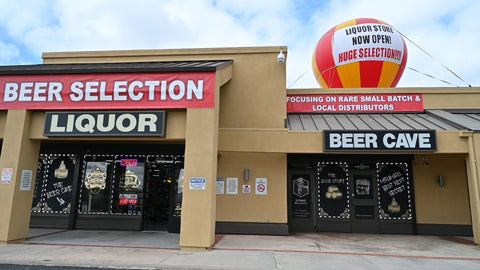
Stocking non-alcoholic wine for sober curious guests correctly means understanding labeling rules, not just grabbing whatever bottle has "alcohol-free" printed in large type. Miramar Wine & Liquor carries a working alcohol-free lineup alongside its full wine and spirits selection, and the difference between a real zero-proof pick and a marketing gimmick usually comes down to one number on the back label.
Who this is for
This is for hosts in San Diego planning a gathering where at least one guest isn't drinking — pregnant guests, guests in recovery, designated drivers, or people simply taking a break from alcohol in 2026's broader sober curious trend. It's also for the sober curious guest themselves, shopping ahead so they're not stuck with tap water while everyone else has a glass in hand.
What to look for in non-alcoholic wine for sober curious guests
ABV under 0.5%, not just "low alcohol"
The US Treasury's TTB sets 0.5% ABV as the labeling cutoff for "non-alcoholic." Anything above that is legally still an alcoholic beverage, no matter how the front label reads. If a guest is fully sober, confirm the number on the back — not the marketing language on the front.
Dealcoholization method
Wine made through vacuum distillation or reverse osmosis retains more of the original aroma and structure than wines simply diluted down. Cheaper dealcoholized wines often taste thin or overly sweet because sugar gets added back to mask the flavor loss from stripping out alcohol.
Sugar and calorie load
Dealcoholization concentrates residual sugar unless the producer compensates for it. A sober curious guest managing calories or blood sugar cares about this as much as the ABV number, so don't assume "non-alcoholic" means "lighter."
Style match to the occasion
A sparkling non-alcoholic option works for toasts and celebrations; a still red or white works better alongside dinner. Matching style to occasion is exactly why a mimosa brunch and a formal dinner call for different bottles — the sparkling wine picks built for mimosa brunches make the same point for the full-proof version of this same logic.
Serving presentation
Pour non-alcoholic wine in the same stemware as everything else. A sober curious guest handed a can or a plastic cup while everyone else gets a wine glass notices immediately, and it undercuts the whole point of accommodating them.
Price versus perceived value
Quality dealcoholized wine costs close to what a mid-range full-proof bottle costs, because the production process (dealcoholizing, then re-balancing flavor) adds cost rather than removing it. Don't expect a discount just because the alcohol is gone.


Top picks for the alcohol-free table in 2026
The elegant no-proof pour: Agua de Piedra Natural Non-Carbonated Mineral Water, 22 fl oz. This is the pick for hosts who want something that feels intentional next to a wine glass, not an afterthought. Volcanic-spring sourced, smooth, and priced at $3.79, it reads as a deliberate choice rather than "we ran out of options." Buy.
The flavor-forward alternative: Celsius Raspberry Acai Green Tea, 12oz can. For a sober curious guest who wants more going on than plain water, this delivers bold raspberry-acai flavor at $2.99 a can without a drop of alcohol. It won't replace a glass of red at dinner, but it fills the gap between water and a mocktail. Buy.
The honest pick: check current arrivals. Dealcoholized wine inventory turns over as new producers enter the category, and the Miramar Wine & Liquor selection reflects what's actually in stock rather than a static list. If you're shopping specifically for a bottle to pour at a table full of drinkers, calling ahead or checking the site the week of your event beats guessing. Consider.
“If a label says dealcoholized but doesn't list an ABV under 0.5%, it isn't a sober curious safe pour.”
What to avoid
- RTD cocktails marketed as "light" or in mini bottles. Chi-Chi's Ready-to-Drink Margarita comes in a 187mL mini format that looks casual and low-commitment, but it's a genuine 20-proof cocktail — not a substitute for sober curious guests despite the packaging.
- "Low-alcohol" wine. Low-alcohol still means alcohol. A wine at 6% ABV is a lighter pour, not a zero-proof one, and mislabeling the two at a party is the fastest way to put a sober guest in an uncomfortable spot.
- Sweetened juice blends dressed up as "mocktails." These skip the wine-adjacent experience entirely and read as a kids'-table substitute rather than a considered pairing for adult guests.
Comparison at a glance
| Pick | ABV | Price | Best for | Verdict |
|---|---|---|---|---|
| Agua de Piedra Mineral Water | 0% | $3.79 | Dinner-table pour, stemware presentation | Buy |
| Celsius Raspberry Acai | 0% | $2.99 | Flavor-forward, casual gatherings | Buy |
| Check current dealcoholized wine arrivals | Under 0.5% (verify label) | Varies | Guests who specifically want a wine substitute | Consider |
| Chi-Chi's RTD Margarita (mini bottle) | 20 proof | N/A | Drinking guests only | Skip for sober curious |
Same logic applies whether you're planning a dinner party with last-minute wine delivery or a casual weeknight — check the label before you check the price.
FAQ
What's the best non-alcoholic wine for sober curious guests in 2026?
The best option is whichever dealcoholized wine lists an ABV under 0.5% on the back label, not the front marketing. Sparkling styles work best for toasts, still reds and whites work best alongside a meal.
Is non-alcoholic wine actually alcohol-free?
Not always completely. US labeling allows up to 0.5% ABV under the "non-alcoholic" designation, so guests avoiding alcohol entirely should check the exact percentage rather than trust the label alone.
How much does non-alcoholic wine cost compared to regular wine?
Quality dealcoholized wine typically costs close to a mid-range full-proof bottle because removing alcohol and rebalancing flavor adds production steps rather than cutting them. Don't expect a discount just because the alcohol is gone.
Can you get drunk on non-alcoholic wine?
No, wine labeled non-alcoholic under the 0.5% ABV threshold won't produce intoxication even after multiple glasses. It's not the same as a full-proof wine served in smaller portions.
What's the difference between non-alcoholic and low-alcohol wine?
Non-alcoholic means under 0.5% ABV by US labeling rules, while low-alcohol wine can still sit at 6-9% ABV. Low-alcohol is not a safe substitute for sober curious guests.
Is sparkling water a good substitute for wine at a party?
Yes, especially when poured in the same stemware as everyone else's wine. Agua de Piedra Natural Non-Carbonated Mineral Water works well for this because it reads as a deliberate choice rather than tap water in a cup.
Does Miramar Wine & Liquor carry non-alcoholic options?
Miramar Wine & Liquor stocks alcohol-free mixers and mineral water alongside its full wine and spirits selection in 2026, and the dealcoholized wine lineup rotates with new arrivals. Check the site or call ahead of your event for what's currently in stock.
How do you serve non-alcoholic wine so it feels special?
Pour it in the same glassware as the full-proof wine at the table and chill it to the same serving temperature. Presentation, not just the label, is what makes a sober curious guest feel included rather than accommodated as an afterthought.
One last thing
The TTB's 0.5% ABV cutoff catches more hosts off guard than any other detail in this category — plenty of bottles marketed as "alcohol-removed" sit right at that line rather than at true 0%, so if a guest is fully sober and not just cutting back, read the fine print before you pour.