The right tequila for margaritas is a 100% agave blanco with 40% ABV (80 proof) — it mixes clean with lime and orange liqueur without fighting the citrus. Reposado and añejo work too, but they shift the drink toward a sipping cocktail rather than a classic margarita, and mixto tequila (not 100% agave) leaves a harsh, chemical aftertaste that no amount of triple sec can fix.
- A 100% agave blanco at 40% ABV is the standard pick for how to choose tequila for margaritas in 2026.
- Reposado adds oak roundness for a richer margarita; añejo and cristalino skew toward sipping, not shaking.
- Mixto tequila (not labeled 100% agave) is the one bottle to skip for margaritas — it mutes the lime and adds a rough finish.
- Lalo Tequila and Fortaleza Blanco are two 100% agave blancos built for the margarita shaker.
Why this matters
Margaritas are a three-ingredient drink — tequila, lime, orange liqueur — so the tequila carries most of the flavor. A blanco that's rough or sweetened with additives shows up in every sip. Choose the wrong bottle and no amount of fresh-squeezed lime saves the drink.
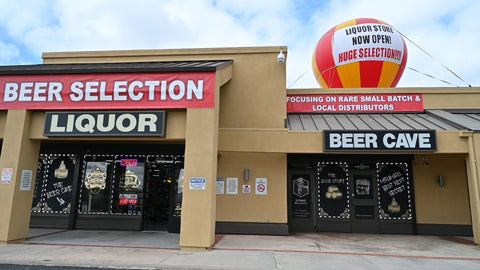
Miramar Wine & Liquor stocks tequila across blanco, reposado, and añejo styles for San Diego shoppers who want same-day delivery or in-store pickup, so shopping tequila online doesn't mean guessing at labels in a store aisle.
How to choose tequila for margaritas
Start with the label: it needs to say 100% agave — anything labeled just "tequila" without that phrase is a mixto, blended with other sugars during fermentation. After that, style determines flavor direction.
| Style | Aging | Flavor in a margarita | Best for |
|---|---|---|---|
| Blanco (silver/plata) | 0-60 days, usually unaged | Bright, peppery agave, clean citrus pop | Classic margaritas, batch pitchers |
| Reposado | 2-12 months in oak | Rounder, hint of vanilla and caramel | Margaritas on the rocks, slower sipping |
| Añejo / Cristalino | 1+ years in oak (cristalino is filtered) | Smooth, subtle oak, less agave bite | Upscale or spirit-forward margaritas |
For a standard margarita — tequila, lime, orange liqueur, shaken over ice — blanco is the default because its sharper agave flavor doesn't get lost once it's diluted with citrus and ice.
Blanco tequila: the classic margarita base
Blanco is unaged or aged under 60 days, bottled shortly after distillation, and it's what most bartenders reach for first. The agave flavor is upfront and a little peppery, which balances lime's acidity instead of getting buried by it.
Lalo Tequila is a 100% agave blanco built around that exact profile — straightforward agave character that holds up in a shaken margarita. Buy it if you want a margarita that tastes like tequila and lime, not just sweet-sour mix.
Fortaleza Blanco is a heavier-bodied blanco, distilled in small batches with a more traditional, cooked-agave depth. It's a step up for anyone who wants a margarita with more weight behind the citrus. Buy it for a margarita night where the tequila is the point, not the mixer.
Reposado tequila: a softer, oak-touched margarita
Reposado rests in oak barrels for 2 to 12 months, picking up vanilla and light caramel notes that round off the sharper agave edges. In a margarita, that shows up as a smoother finish — good for anyone who finds blanco too aggressive.
Arette Clásica Blanco sits at the more affordable end of the 100% agave category and is a reasonable entry point before stepping into reposado styles, since the agave character is already gentler than most blancos. Buy it as a budget-friendly base for weekly margarita rounds; skip it if you specifically want the punchier blanco profile.
Reposado margaritas work best on the rocks rather than blended, since the oak notes need a slower sip to register.
Añejo and cristalino: for a smoother, upscale margarita
Añejo ages at least one year in oak and drinks closer to a sipping spirit — smooth, less agave-forward, more like a light whiskey. Cristalino takes an añejo and charcoal-filters the color back out, keeping the smoothness while looking like a blanco in the glass.
Don Julio 70 Añejo Cristalino is one bottle built for exactly that: aged 18 months, then filtered to a clear pour, with a rounder, less peppery flavor than a standard blanco. Buy it for a margarita served to guests who don't usually like the sharpness of tequila; skip it if you want the traditional citrus-forward margarita punch.
Why tequila choice for margaritas varies
- Agave-only vs. mixto labeling — mixto tequila costs less but tastes rougher once mixed with citrus
- Proof — most margarita tequilas sit at 40% ABV (80 proof); a handful run higher and change how much citrus you need to balance the drink
- Batch vs. single-serve drinking — pitcher margaritas favor blanco's consistency; single pours tolerate reposado or cristalino's complexity
- Occasion — a backyard party calls for a reliable blanco; a dinner-party margarita can carry a reposado or cristalino
- Budget — everyday margarita tequila and collector or limited-edition bottles serve different purposes even within the same style


Related questions about tequila for margaritas
Is blanco or reposado better for margaritas?
Blanco is better for a classic shaken margarita because its sharper agave flavor stands up to lime and orange liqueur without getting muted. Reposado works better on the rocks, where the oak notes have time to register against the citrus.
Does the tequila need to say 100% agave?
Yes — 100% agave is the label to look for on any margarita tequila in 2026, because mixto blends dilute the agave flavor with other sugars and leave a rougher finish once mixed. Every bottle recommended above is 100% agave.
Can you use añejo or cristalino tequila in a margarita?
Yes, añejo and cristalino tequilas work in margaritas, but they produce a smoother, less citrus-forward drink than a standard blanco margarita. They're a better fit for guests who find tequila's sharper agave notes off-putting.
FAQ
What is the best tequila for margaritas in 2026?
A 100% agave blanco tequila is the best choice for margaritas in 2026 because its unaged, peppery agave flavor balances lime and orange liqueur without getting muted. Reposado and cristalino are solid alternatives for a smoother, oak-touched drink.
Is silver or gold tequila better for margaritas?
Silver (blanco) tequila is better for margaritas than gold tequila, since gold is often a mixto colored to look aged rather than a true 100% agave spirit. Check the label for '100% agave' regardless of color.
How much tequila goes in a margarita?
A standard margarita uses about 2 ounces of tequila against 1 ounce lime juice and 1 ounce orange liqueur, though ratios vary by recipe. The tequila's proof, typically 40% ABV, is built around that ratio.
Does the proof of tequila matter for margaritas?
Yes — most margarita tequilas sit at 40% ABV (80 proof), and higher-proof blancos like a 94-proof bottling need slightly more citrus to stay balanced. Lower-proof tequila can taste diluted once shaken with ice.
Can you make a margarita with añejo tequila?
You can make a margarita with añejo tequila, and it produces a smoother, less agave-forward drink than a blanco margarita. It suits guests who find standard blanco too sharp.
What's the difference between mixto and 100% agave tequila for margaritas?
100% agave tequila is distilled entirely from blue agave and delivers cleaner, rounder flavor in a margarita, while mixto tequila blends in other sugars and tastes rougher once mixed with citrus. The label always states '100% agave' when it applies.
Is Lalo Tequila good for margaritas?
Lalo Tequila is a 100% agave blanco with straightforward agave character that holds up well in a shaken margarita. It's a solid pick for anyone who wants the tequila flavor to come through against the lime.
What tequila should you avoid for margaritas?
Avoid any tequila not labeled 100% agave, since mixto tequila leaves a rough, chemical aftertaste once shaken with citrus. Stick to blanco, reposado, or cristalino bottles marked 100% agave.
One last thing
The proof number matters more than most shoppers realize: a 94-proof blanco like Cazcanes Nuestras Raices needs a slightly heavier pour of lime to stay balanced compared to a standard 80-proof bottle, so match your citrus ratio to the bottle, not a fixed recipe. In 2026, that's the detail that separates a flat margarita from one that actually tastes like the tequila you bought.