Moscato wine covers everything from a five-dollar bottle of still Barefoot to a lightly fizzy Moscato d'Asti imported from Piedmont, and the right pick depends on how sweet, how bubbly, and how cold you want your glass. This guide ranks the best moscato wine picks for 2026 by sweetness balance, carbonation style, and how easy each one is to find and drink on a random Tuesday.
- Barefoot Moscato is the best moscato wine overall for easy, everyday sweet-wine drinking in 2026.
- Bartenura Moscato d'Asti wins for date night with its light frizzante bubble and 5-7% ABV.
- Gallo Family Vineyards Moscato is the budget pick for stocking up without overspending.
- Chateau Ste. Michelle Moscato pairs best with fruit desserts thanks to its balanced sweetness.
- Barefoot Pink Moscato is the patio-party choice for warm-weather, low-ABV sipping.
Why this matters
Moscato gets lumped into one category, but a still Barefoot Moscato and a frizzante Moscato d'Asti are built for different moments. One is a weeknight pour with takeout; the other is a low-alcohol, lightly sparkling option for a toast. Picking the wrong style is why some people swear moscato is "too sweet" and others can't get enough of it.
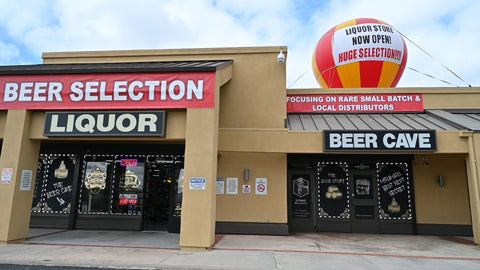
Shop the current wine selection at Miramar Wine & Liquor before you commit to a bottle, since stock and vintages shift through 2026 and it's worth checking what's actually on the shelf. The rankings below sort moscato by use case so you're not guessing which bottle fits your night.
What makes the best moscato wine
- Sweetness balance — enough residual sugar to read as dessert-adjacent without tasting syrupy
- Carbonation style — still, frizzante (lightly sparkling), or fully sparkling changes the whole drinking experience
- ABV — most moscato sits in the 5-10% range, lower than a typical table wine
- Price accessibility — moscato is a category built around everyday affordability, not splurge pricing
- Availability — a pick that's hard to find defeats the point of an easy-drinking wine
- Food pairing range — spicy food, fruit desserts, or nothing at all
Moscato wine at a glance
| Wine | Best For | Standout Feature | Key Limitation |
|---|---|---|---|
| Barefoot Moscato | Everyday sipping | Balanced sweetness, wide distribution | Still wine, no sparkle |
| Bartenura Moscato d'Asti | Date night / fizz | Frizzante bubble, 5-7% ABV | Goes flat fast once opened |
| Gallo Family Vineyards Moscato | Budget stocking | Low shelf price, large formats | Heavier, less balanced sweetness |
| Chateau Ste. Michelle Moscato | Dessert pairing | Orange-blossom and peach notes | Less widely stocked than Barefoot |
| Barefoot Pink Moscato | Patio parties | Rosé-hued blend, low ABV | One-note sweetness without food |
1. Barefoot Moscato: best moscato wine for everyday sipping
Barefoot Moscato is a still white wine built around approachable sweetness rather than complexity, and it's one of the most widely distributed moscato labels in the country. It works as a no-thought pour after work or alongside spicy takeout, which is exactly why it's the default answer to "what's the best moscato wine" for most casual drinkers in 2026.
Barefoot Moscato pros:
- Widely available at grocery and liquor stores
- Low price point keeps it a low-risk buy
- Balanced sweetness, not cloying
- Pairs well with spicy food and light desserts
Barefoot Moscato cons:
- Still wine, so it skips the celebratory fizz of Moscato d'Asti
- Simple flavor profile won't win over serious wine drinkers
Barefoot Moscato pricing: check current pricing and vintage availability at your local wine shop; it's positioned as an everyday-value bottle, not a splurge.
Best for: casual, everyday drinkers who want a reliable sweet white. Verdict: Buy.
2. Bartenura Moscato d'Asti: best moscato wine for date night
Bartenura Moscato d'Asti comes from Piedmont, Italy, where Moscato d'Asti is made frizzante — lightly sparkling rather than fully carbonated — and typically lands in the 5-7% ABV range, well below most table wines. That low alcohol and gentle fizz make it easy to finish a bottle over a slow dinner without the wine taking over the night. If you like the fizzy-sweet lane but want to try a red option too, lambrusco wine for a fizzy date night covers a comparable style built around Italian grapes.
Bartenura Moscato d'Asti pros:
- Gentle carbonation adds a celebratory feel without full Champagne pressure
- Low ABV makes it easy to enjoy a full glass or two
- Kosher certification broadens who it works for
- Pairs well with fruit tarts and biscotti
Bartenura Moscato d'Asti cons:
- Sparkling format means it goes flat within a day or two once opened
- Costs a bit more than a still moscato of similar size
Bartenura Moscato d'Asti pricing: check current pricing in-store; it typically sits above still moscato bottles due to the frizzante production method.
Best for: date nights and small celebrations where a little fizz matters. Verdict: Buy.
3. Gallo Family Vineyards Moscato: best budget moscato wine
Gallo Family Vineyards Moscato is built for volume — it's a recognizable, widely stocked label priced to be a low-risk stocking choice rather than a special-occasion bottle. It won't out-nuance a boutique Italian moscato, but it does the core job: sweet, cold, and cheap enough to keep on hand.
Gallo Family Vineyards Moscato pros:
- Consistently low shelf price
- Large-format bottles stretch the value further
- Recognizable brand removes guesswork for first-time buyers
Gallo Family Vineyards Moscato cons:
- Sweetness leans heavier and less balanced than boutique moscato
- Fewer aromatic layers than d'Asti-style bottles
Gallo Family Vineyards Moscato pricing: check current pricing; it's positioned at the low end of the moscato category.
Best for: stocking the fridge without overspending. Verdict: Buy for casual stocking, Hold if you want more complexity.
4. Chateau Ste. Michelle Moscato: best moscato wine for dessert pairing
Chateau Ste. Michelle, a Washington State producer known for approachable whites, makes a moscato built around orange-blossom and peach notes that read cleaner alongside food than heavier sweet moscato. It's a better dessert-table wine than an everyday sipper because the sweetness is calibrated to work with fruit-forward dishes rather than stand alone.
Chateau Ste. Michelle Moscato pros:
- Bright orange-blossom and peach character pairs well with fruit desserts
- Moderate sweetness works as a palate cleanser between courses
- Backed by a producer with wide U.S. distribution
Chateau Ste. Michelle Moscato cons:
- Less sparkle and lift than Moscato d'Asti styles
- Not stocked as consistently as Barefoot in every store
Chateau Ste. Michelle Moscato pricing: check current pricing; it sits in the mid-range for the moscato category.
Best for: dinner parties with a fruit-based dessert course. Verdict: Buy.
5. Barefoot Pink Moscato: best moscato wine for patio parties
Barefoot Pink Moscato blends moscato with red grapes for a rosé-hued pour that reads better at a backyard gathering than a plain white. The strawberry-melon profile and low ABV make it a sessionable warm-weather option, and if patio drinking is the goal, sparkling wine for mimosa brunches is worth a look for a bubblier version of the same daytime-drinking idea.
Barefoot Pink Moscato pros:
- Rosé color adds visual appeal for group settings
- Low ABV keeps it easy to drink in the sun
- Sweet strawberry-melon notes are broadly crowd-pleasing
Barefoot Pink Moscato cons:
- Sweetness can taste one-note without food alongside it
- Still wine, so no sparkle for a toast
Barefoot Pink Moscato pricing: check current pricing; it's priced in line with standard Barefoot Moscato.
Best for: casual outdoor gatherings and warm-weather sipping. Verdict: Buy for patio season, Skip if you want a drier style.
How we ranked these
Each bottle above was sorted against the same six criteria: sweetness balance, carbonation style, ABV, price accessibility, availability, and food pairing range. No two picks compete for the same "best for" slot — that's what separates a decision tree from a plain leaderboard, and it's why the best moscato wine for a Tuesday night isn't the same bottle as the best one for a dinner party.
Which moscato wine should you choose?
If you just want a reliable, sweet, cold glass with no fuss, Barefoot Moscato is the default pick for 2026. If you're planning something with a little more occasion behind it, Bartenura Moscato d'Asti delivers the fizz and the lower ABV without the Champagne price tag. Everyone else falls somewhere between those two depending on budget and whether food is involved.
FAQ
What's the best moscato wine for beginners?
Barefoot Moscato is the easiest starting point in 2026 because it's widely available, moderately priced, and balances sweetness without tasting syrupy. It's a still wine, so there's no carbonation to adjust to either.
Is Moscato d'Asti sweeter than regular moscato?
Moscato d'Asti isn't necessarily sweeter, but its light frizzante carbonation and lower ABV (typically 5-7%) make the sweetness feel lighter on the palate. Still moscato bottles like Barefoot or Gallo Family Vineyards can taste richer by comparison.
What's the difference between moscato and Moscato d'Asti?
Moscato d'Asti is a specific style made in Piedmont, Italy, that's lightly sparkling and lower in alcohol than generic moscato labeled from other regions. Regular moscato is usually still and can come from producers anywhere.
How much alcohol is in moscato wine?
Most moscato sits between 5% and 10% ABV, noticeably lower than a standard 12-14% table wine. Moscato d'Asti specifically tends to run 5-7% ABV.
Should moscato wine be served chilled?
Yes, moscato is best served chilled at roughly 40-45°F, similar to other sweet whites and light sparkling wines. Serving it too warm flattens the fruit character and makes the sweetness feel heavier.
Is pink moscato the same as regular moscato?
No, pink moscato like Barefoot Pink Moscato is a blend of moscato with red grapes, giving it a rosé color and a slightly different fruit profile. Regular moscato is typically a straightforward white wine.
What foods pair well with moscato wine?
Moscato pairs well with spicy food, fruit-based desserts like tarts or biscotti, and mild cheeses. The sweetness works as a counterbalance to heat and a complement to fruit rather than a competitor to it.
Can moscato wine be aged?
Moscato is made to be consumed young, generally within a year or two of bottling, since it doesn't have the tannin or acid structure to improve with age. Buy it for drinking now, not for cellaring.
One last thing
Muscat Blanc à Petits Grains, the grape behind most moscato wine, is considered by ampelographers to be one of the oldest cultivated grape varieties still in commercial production today. That's worth knowing next time someone dismisses moscato as a beginner wine — the grape itself predates most of what's on a modern wine list.