Best overall low sugar wine choice: a dry Sauvignon Blanc with a disclosed sugar figure. Best for a lighter-tasting white: dry Pinot Grigio. Best for sparkling wine: Brut Champagne. No bottle in this guide has a verified residual-sugar figure in the supplied product details, so treat the named wines as shopping candidates, not confirmed low-sugar wines.
- Dry Sauvignon Blanc is the best starting point for low sugar wine, but confirm the bottle’s residual sugar before buying.
- Villa Maria Private Bin Sauvignon Blanc is a white-wine candidate, not a verified low-sugar pick.
- Brut is a more useful sparkling-wine label than Extra Dry when you want less sweetness.
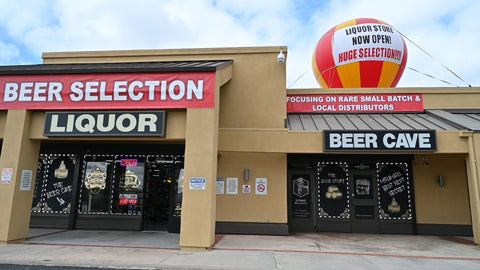
- Miramar Wine & Liquor offers San Diego-area shoppers same-day local delivery and in-store pickup.
Why this matters
A wine can taste fruity without being sweet, and a dry-sounding grape name cannot tell you the sugar content of a particular bottle. For a low sugar wine decision in 2026, the useful evidence is the producer’s residual-sugar figure or a trustworthy nutrition statement for the exact wine. Without it, the label helps you narrow your search, not finish it.
The distinction matters when you shop by product title. Miramar Wine & Liquor lists Sauvignon Blanc, Pinot Grigio, Pinot Noir and Brut Champagne options, but the product details supplied here do not state grams of sugar. You can browse Miramar Wine & Liquor for wine, then confirm the exact bottle’s sugar information before treating it as a low-sugar choice. San Diego-area shoppers can use same-day local delivery or in-store pickup.
Lower sugar does not make alcoholic wine a health product. If you are limiting alcohol, check alcohol by volume as well as sugar; if you need to avoid alcohol, choose a nonalcoholic drink instead. Those are separate decisions from whether a wine tastes dry.
What makes the best low sugar wine?
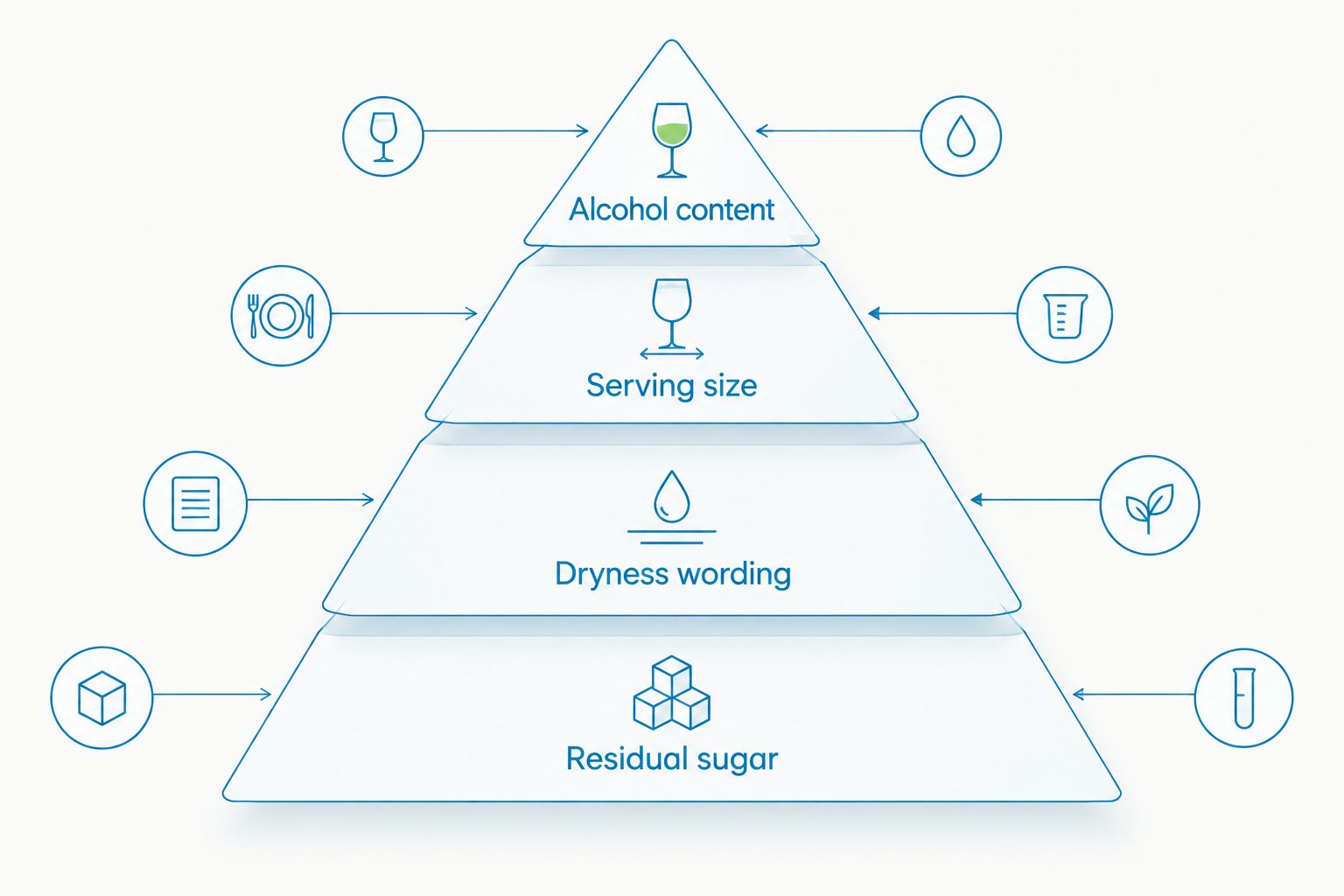
Use these criteria in order. They explain why a familiar dry style ranks ahead of a wine with an appealing description but no sugar information.
- Residual sugar: Look for a figure in grams per liter or grams per serving for the exact bottle. That is stronger evidence than a style name.
- Dryness wording: Dry and Brut help narrow the field. Sweet, dessert and flavored wine descriptions call for closer checking.
- Serving size: Compare sugar figures on the same basis. A figure per 5 fl oz serving is not directly comparable with one per 750 mL bottle.
- Alcohol content: Check the stated ABV separately. A lower sugar figure does not establish a lower alcohol content.
- Drink preference: Pick a style you want to drink. A verified low-sugar red is more useful to a red-wine drinker than an unverified white selected only for its reputation.
The product name alone cannot settle the first criterion. In 2026, ask for the exact wine’s technical sheet or nutrition information when the listing stops at tasting notes. If you cannot confirm sugar content, keep the bottle on your shortlist rather than labeling it low sugar.
Low sugar wine candidates at a glance
This is a ranking of shopping starting points, not a ranking of measured sugar content. None of the supplied listings gives a residual-sugar figure. Check the exact bottle before buying it for a sugar target.
| Wine | Best for | Standout feature | Key limitation |
|---|---|---|---|
| Villa Maria Private Bin Sauvignon Blanc | A crisp white-wine starting point | Citrus and gooseberry flavors in its description | Sugar content is not provided |
| Francis Coppola Emerald Label Pinot Grigio | A lighter-tasting white | Described as refreshing and lively | Sugar content is not provided |
| Veuve Clicquot Rosé Brut Champagne | A sparkling-wine search | Brut appears in the listed product name | Sugar content is not provided |
| EnRoute Les Pommiers Pinot Noir | A red-wine alternative | Red-berry and spice flavors in its description | Sugar content is not provided |
There is no budget winner here: without current comparable product and sugar information, a cheaper bottle would not automatically be the better low-sugar choice. The order instead gives you a white, a second white style, a sparkling option and a red, each with a distinct reason to investigate it.
1. Villa Maria Private Bin Sauvignon Blanc: best starting point for a crisp white
Villa Maria Marlborough Sauvignon Blanc Private Bin is described with citrus, gooseberry and tropical-fruit flavors. Those details make it a candidate if you want a bright white wine; they do not establish its sugar content. Ask for the residual-sugar figure for the exact bottle before making it your 2026 low sugar wine pick.
Villa Maria Sauvignon Blanc pros:
- A Sauvignon Blanc option for shoppers who prefer white wine.
- The supplied description gives you a clear flavor direction: citrus, gooseberry and tropical fruit.
- Its 750 mL format is stated in the product title, making bottle-level information easier to match to the listing.
Villa Maria Sauvignon Blanc cons:
- No sugar figure appears in the supplied details.
- Fruit-forward tasting notes cannot confirm that the wine meets your sugar target.
Best for: A shopper who wants a crisp white and will verify sugar content before ordering. Verdict: Hold until the exact bottle’s sugar figure is available. If it meets your target, it becomes the most direct starting choice on this list; the grape name by itself is not the proof.
2. Francis Coppola Emerald Label Pinot Grigio: best for a lighter-tasting white
Francis Coppola Diamond Collection Emerald Label Pinot Grigio is described as refreshing and lively. Choose it as a style alternative when Sauvignon Blanc is not what you want. Its listing supplies flavor information, not a residual-sugar result.
Francis Coppola Pinot Grigio pros:
- Gives white-wine shoppers a distinct alternative to Sauvignon Blanc.
- The product description points to a refreshing style with fruit flavors.
- The title identifies a 750 mL wine bottle rather than a wine-based mixed drink.
Francis Coppola Pinot Grigio cons:
- The supplied details do not state grams of sugar.
- A refreshing taste is not evidence of a lower-sugar wine.
Best for: Someone seeking a lighter-tasting white who is prepared to check the producer’s sugar information. Verdict: Hold until sugar content is confirmed. In 2026, compare the figure for this bottle against the figure for the Sauvignon Blanc on the same serving basis; do not rank them by grape alone.
3. Veuve Clicquot Rosé Brut Champagne: best sparkling-wine starting point
The listed name identifies this Veuve Clicquot rosé as Brut Champagne. That wording gives sparkling-wine shoppers a more relevant starting point than a bottle labeled Extra Dry, but it does not supply grams of sugar for this exact Champagne. Check its technical information if sugar content determines your purchase.
Veuve Clicquot Rosé Brut pros:
- Brut appears in the product name, so you have useful dryness wording to investigate.
- It gives sparkling-wine shoppers a distinct option from the still wines above.
- The listed bottle size is 750 mL, which helps you identify the exact format when requesting details.
Veuve Clicquot Rosé Brut cons:
- No residual-sugar figure is supplied here.
- A sparkling-wine label alone cannot tell you whether this bottle meets a personal sugar limit.
Best for: A shopper seeking a sparkling option who will confirm its sugar figure. Verdict: Hold until the bottle’s residual sugar is confirmed. If you are deciding between Brut and Extra Dry wording, begin with Brut, then compare documented figures rather than stopping at the label.
4. EnRoute Les Pommiers Pinot Noir: best for red-wine drinkers
EnRoute Les Pommiers Russian River Pinot Noir is described with red-berry, rose-petal and spice flavors. It belongs on this list because a red-wine drinker needs a red candidate, not because the listing proves a low sugar content. The same verification rule applies in 2026: find the figure for the exact bottle.
EnRoute Pinot Noir pros:
- Offers a red-wine route for shoppers who do not want white or sparkling wine.
- The supplied description makes its flavor profile clear.
- The product title identifies a 750 mL bottle for matching against producer information.
EnRoute Pinot Noir cons:
- No residual-sugar figure is supplied.
- Red-berry flavors do not tell you how much sugar remains in the finished wine.
Best for: A red-wine drinker who wants to check sugar without switching wine styles. Verdict: Hold until sugar content is documented. Do not assume a Pinot Noir is lower in sugar than a Sauvignon Blanc; compare actual figures for the bottles in question.
Check the bottle before you order
Once you have a style in mind, confirm the information that the ranking cannot supply. The exact wine matters: a producer’s figure for a different bottle does not verify the one in your cart.
- Match the full product name. Check the producer, wine name, bottle format and vintage where applicable. The store listings above include 750 mL wines, but the format alone says nothing about sugar.
- Find the residual-sugar unit. A technical sheet stating grams per liter answers a different question from a nutrition panel stating grams per serving. Read the unit before comparing figures.
- Use one serving basis. If you track a 5 fl oz serving, make sure both wines are assessed on that basis before choosing the lower figure. The National Institute on Alcohol Abuse and Alcoholism uses 5 fl oz of wine at 12% ABV as a U.S. standard-drink example; that is an alcohol reference, not a claim about these wines’ sugar content.
- Check alcohol separately. Read the exact bottle’s ABV if alcohol intake matters to you. Sugar and ABV are not interchangeable measures.
- Decide what to do when the figure is absent. Request the producer’s technical sheet or select a bottle with disclosed sugar information. Do not replace missing evidence with a tasting note.
For 2026 shopping, this short check is more useful than a long list of supposedly low-sugar bottles without figures. Miramar Wine & Liquor provides the wine options and San Diego-area delivery or pickup; the sugar decision still depends on documentation for the bottle you choose.


How we ranked these wines
This 2026 ranking starts with the most useful style cues for a low-sugar search, then separates the choices by what you want to drink. Villa Maria Sauvignon Blanc leads as a white-wine starting point; Francis Coppola Pinot Grigio serves a different white-wine preference; Veuve Clicquot Rosé Brut covers sparkling wine; EnRoute Pinot Noir covers red wine. None outranks another on measured sugar, because no comparable sugar figures were provided.
Flavor descriptions determined whether each bottle fits its use case, not whether it qualifies as low sugar. A verified sugar figure would change the recommendation: a documented bottle that meets your target should take priority over a higher-ranked candidate with no figure. That is the decision rule behind every Hold verdict above.
Which low sugar wine should you choose?
Start with a dry Sauvignon Blanc if you want a white, Brut Champagne if you want sparkling, or a documented dry red if you want red. For the bottles listed here, wait for residual-sugar information before calling any of them a low sugar wine. Miramar Wine & Liquor is a practical San Diego-area shop for comparing those wine styles, with same-day local delivery and in-store pickup.
If you have a specific sugar limit, the answer is simpler: choose the bottle with a verified figure that meets it, regardless of where it appears in this ranking. In 2026, a product title or a dry-tasting description is a starting clue. The figure for the exact bottle is the deciding evidence.
FAQ
What is the best low sugar wine to start with?
Start with a dry Sauvignon Blanc that has a verified residual-sugar figure for the exact bottle. Villa Maria Private Bin Sauvignon Blanc is a shopping candidate here, but its supplied details do not state its sugar content.
Is Pinot Grigio lower in sugar than Sauvignon Blanc?
You cannot tell from the grape names alone. Compare documented sugar figures for the two exact bottles using the same unit and serving size.
Is Brut Champagne a low sugar wine?
Brut is useful dryness wording, but confirm the sugar figure if you have a specific limit. The supplied details for Veuve Clicquot Rosé Brut Champagne do not provide that figure.
Does fruity wine contain more sugar?
Fruit flavors do not establish a wine’s residual-sugar content. Check a technical sheet or nutrition information rather than judging sugar by tasting notes.
How do I compare sugar information on wine labels?
Use figures for the exact wines and put them on the same basis, such as grams per serving. A per-bottle figure and a per-serving figure cannot be compared directly without accounting for serving size.
Does low sugar wine have less alcohol?
No sugar figure tells you the wine’s alcohol content. Check the exact bottle’s stated ABV separately if you are monitoring alcohol intake.
Can I get wine delivered locally in San Diego?
Miramar Wine & Liquor offers same-day local delivery and in-store pickup for San Diego-area consumers. Confirm the exact bottle’s sugar information before selecting it for a low-sugar goal.
One last thing
Extra Dry is not the same label as Brut on sparkling wine. That naming trap can send you toward the wrong shelf if you interpret Extra Dry literally. Use Brut as a starting cue, then check the actual sugar figure; neither word replaces bottle-level evidence.