Steak night runs on fat, char, and salt, and cabernet sauvignon is the one red built to stand up to all three without folding. This guide ranks the five cabernet sauvignon styles worth stocking for a 2026 steak dinner, from classic Napa Valley bottles to budget Chilean pours, so you grab the right one before the grill gets hot.
- Napa Valley cabernet sauvignon wins overall for steak night on tannin, oak structure, and body.
- Chilean cabernet sauvignon is the best budget option for a weeknight ribeye or strip steak.
- Washington State cabernet suits dry-aged steak; Argentine cabernet handles char and chimichurri best.
- Bordeaux-style cabernet blends bring the most structure for filet mignon with a pan sauce.
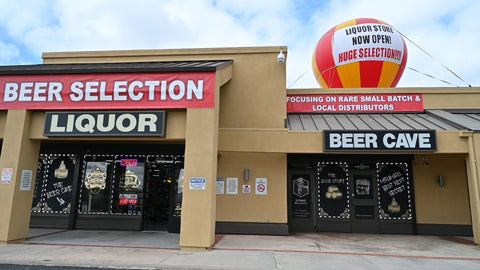
- Miramar Wine & Liquor covers same-day San Diego delivery and pickup so the bottle lands before dinner.
Why this matters
Tannin is the reason cabernet sauvignon and steak work. Tannin molecules bind to protein and fat on the tongue, which softens the wine's grip and makes the meat taste cleaner between bites — a pairing mechanism wine and food professionals have relied on for decades, not a trend. Cabernet sauvignon has more tannin than pinot noir, merlot, or zinfandel by a wide margin, which is exactly why steakhouses default to it.
The catch: not every bottle labeled cabernet sauvignon delivers the same tannin, oak, or acid balance. A Chilean bottle and a Napa Valley bottle can both say "cabernet sauvignon" on the label and taste like different wines entirely. That's the gap this ranking closes — pick by style, not just by the grape name on the label. Browse the full lineup at Miramar Wine & Liquor before you shop by region below.
What makes the best cabernet sauvignon for steak night
- Tannin structure — firm, grippy tannin cuts through fat on ribeye and short rib
- Oak influence — vanilla, clove, and toast notes echo char from the grill or sear
- Body and alcohol weight — full-bodied cabernet (13.5%+ ABV) matches a heavy cut without getting steamrolled
- Acidity — enough brightness to reset the palate between bites of fatty cuts
- Regional typicity — where the grapes grow changes the fruit profile more than most labels admit
- Food-pairing range — some styles only work with one cut; the best options flex across the whole board
Cabernet sauvignon styles for steak night at a glance
| Style | Best for | Standout feature | Key limitation |
|---|---|---|---|
| Napa Valley Cabernet Sauvignon | Classic steakhouse pairing (ribeye) | Firm tannin, vanilla-oak, full body | Can run pricier than other regions |
| Washington State (Columbia Valley) Cabernet | Dry-aged strip steak | Dark fruit with firm structure | Less widely stocked than Napa or Chile |
| Bordeaux-style Cabernet blend | Filet mignon with pan sauce | Earthy, structured tannin built for food | Young bottles can taste tight and austere |
| Chilean Cabernet Sauvignon (Maipo Valley) | Budget weeknight steak | Soft tannin, red fruit, herbal edge | Less complexity than premium regions |
| Argentine (Mendoza) Cabernet Sauvignon | Grilled steak with chimichurri | High-altitude acidity, ripe fruit | Style varies a lot by producer |
1. Napa Valley Cabernet Sauvignon: best cabernet sauvignon for classic steakhouse pairing
Napa Valley cabernet sauvignon is the reference point for the whole category — warm days and cool nights push the grapes to full ripeness while keeping acidity in check. Expect black currant and blackberry fruit layered with vanilla and clove from oak aging, backed by tannin firm enough to handle a well-marbled ribeye.
Napa Valley Cabernet Sauvignon pros:
- Full body stands up to the fattiest cuts on the menu
- Oak-driven vanilla and clove notes mirror grill char
- Widely available, so it's an easy default pick
Napa Valley Cabernet Sauvignon cons:
- Premium bottlings can run well above everyday-drinking budgets
- High alcohol can overwhelm leaner cuts like flank or skirt steak
Best for: ribeye, New York strip, and porterhouse. Verdict: Buy.
2. Washington State Cabernet Sauvignon: best cabernet sauvignon for dry-aged steak
Columbia Valley in Washington State gets more sunlight hours during the growing season than Napa, which produces cabernet sauvignon with dark fruit and firm tannic backbone but slightly higher natural acidity. That acid cut makes it a strong match for dry-aged steak, where the funk and concentrated flavor need a wine that won't get lost.
Washington State Cabernet Sauvignon pros:
- Firm tannin holds up against the intensity of dry-aged beef
- Acidity keeps the pairing from feeling heavy
- Often better value than comparable Napa bottlings
Washington State Cabernet Sauvignon cons:
- Smaller production means less shelf availability
- Style consistency varies more by producer than in Napa
Best for: dry-aged strip steak and tomahawk cuts. Verdict: Buy.
3. Bordeaux-style Cabernet blend: best cabernet sauvignon for filet mignon with sauce
Left Bank Bordeaux blends lead with cabernet sauvignon but round it out with merlot and cabernet franc, which softens the tannin just enough for a leaner cut like filet. These wines are built around food from the start — European wine regions historically shaped their reds to sit at a dinner table, not a tasting room.
Bordeaux-style Cabernet blend pros:
- Balanced tannin works with leaner cuts that fattier cabernet can overpower
- Earthy, savory notes complement a peppercorn or red wine pan sauce
- Built specifically to pair rather than to stand alone
Bordeaux-style Cabernet blend cons:
- Young bottles can taste tight and need time to open up
- Less fruit-forward than New World cabernet, which some drinkers find austere
Best for: filet mignon and cuts served with a sauce. Verdict: Buy.
4. Chilean Cabernet Sauvignon: best cabernet sauvignon for a budget weeknight steak
Maipo Valley in Chile turns out cabernet sauvignon with soft tannin, red and black fruit, and a distinct herbal edge from the region's cooler nights. It's the easiest entry point into the category and the pick that makes the most sense for a Tuesday-night grill session rather than a special-occasion dinner.
Chilean Cabernet Sauvignon pros:
- Approachable tannin that doesn't need decanting or aging
- Reliable quality across a wide range of producers
- One of the most accessible price points in the category
Chilean Cabernet Sauvignon cons:
- Less structural complexity than Napa or Bordeaux styles
- Herbal notes can read as green if the fruit isn't fully ripe
For more picks in this price range, check budget-friendly wine options before you shop.
Best for: weeknight ribeye, strip steak, and casual grilling. Verdict: Buy.
5. Argentine Cabernet Sauvignon: best cabernet sauvignon for grilled steak with chimichurri
Mendoza's high-altitude vineyards produce cabernet sauvignon with intense fruit and surprising acidity for the ripeness level — the elevation keeps the grapes from losing freshness in the heat. That acid-fruit balance matches the char and herb punch of a chimichurri-topped grilled steak better than most other regions on this list.
Argentine Cabernet Sauvignon pros:
- Bright acidity cuts through char and grilled fat
- Ripe fruit balances the vinegar and herb bite of chimichurri
- Strong value relative to fruit concentration
Argentine Cabernet Sauvignon cons:
- Quality swings more by producer than in Napa or Chile
- Some bottlings lean more toward malbec-style fruit than classic cabernet structure
Best for: grilled steak served with chimichurri or chraug-style sauces. Verdict: Buy.
How we ranked these
Each style got scored against the same six criteria up top: tannin structure, oak influence, body, acidity, regional typicity, and food-pairing range. Napa Valley cabernet sauvignon topped the list because it scores well across all six rather than excelling at just one — that's what makes it the default rather than a niche pick.
“Tannin needs fat to soften, and that single reaction is the entire reason cabernet sauvignon and steak became the default pairing.”
Which cabernet sauvignon should you choose?
Grab Napa Valley cabernet sauvignon if you want the safe, crowd-pleasing default for ribeye or strip steak in 2026 — it's the style built to handle the widest range of cuts. Go Chilean cabernet sauvignon for a weeknight grill session where you don't want to think about it. Pick the Bordeaux-style blend when the steak is getting a sauce, and reach for Argentine cabernet sauvignon the night chimichurri is on the table.
FAQ
What's the best cabernet sauvignon for steak night in 2026?
Napa Valley cabernet sauvignon is the best overall pick for steak night in 2026 because its firm tannin and full body handle fatty cuts like ribeye and porterhouse without getting overpowered. Chilean cabernet sauvignon is the better call for a casual weeknight grill.
Is cabernet sauvignon better than malbec with steak?
Cabernet sauvignon generally has firmer tannin than malbec, which makes it a stronger match for fattier cuts like ribeye. Malbec tends to work better with leaner, char-forward grilled steak thanks to its softer tannin and juicier fruit.
Should cabernet sauvignon be decanted before steak night?
Young, tannic cabernet sauvignon — especially Napa Valley and Bordeaux-style blends — benefits from 30 to 60 minutes of air before serving, which softens the tannin grip. Chilean and Argentine styles are approachable enough to skip decanting.
What steak cut pairs best with Napa Valley cabernet sauvignon?
Ribeye and porterhouse pair best with Napa Valley cabernet sauvignon because the marbling and fat content match the wine's tannin and body. Leaner cuts like filet do better with a softer Bordeaux-style blend.
Is Chilean cabernet sauvignon good quality?
Yes — Chilean cabernet sauvignon from Maipo Valley is consistently reliable across a wide range of producers and offers soft tannin with red and black fruit. It won't match the complexity of Napa or Bordeaux, but it's a dependable weeknight pour.
How much cabernet sauvignon should you pour per person at a steak dinner?
A standard 750mL bottle pours about five 5-ounce glasses, so plan on one bottle per two to three guests for a full steak dinner. Add a second bottle if the meal runs longer than two courses.
Can you get cabernet sauvignon delivered same-day in San Diego?
Miramar Wine & Liquor offers same-day local delivery and in-store pickup across the San Diego area, so a cabernet sauvignon bottle can arrive before the grill's ready. Order early in the day for the best chance at same-day arrival.
What's the difference between cabernet sauvignon and a Bordeaux blend?
Cabernet sauvignon on its own is 100% (or close to it) of that single grape, while a Bordeaux-style blend mixes cabernet sauvignon with merlot, cabernet franc, or other Bordeaux varieties. The blend usually softens tannin and adds complexity compared to a straight varietal bottling.
One last thing
If steak night doesn't finish the bottle, cabernet sauvignon's tannin actually helps it survive a day or two longer than a lighter red once it's recorked and refrigerated — the same tannin doing the work at the table keeps oxidizing faster than the fruit does. For the full method on keeping a bottle drinkable past night one, this guide on storing an open bottle of wine covers it step by step.